
Why High-Achieving Women Still Struggle With Self-Doubt
You can be accomplished, capable, and deeply respected by others while still quietly questioning yourself.
Many high-achieving women move through life appearing confident on the outside while internally battling self-doubt, overthinking, perfectionism, and the pressure to constantly prove themselves. This is especially true for BIPOC helpers, healers, and first-generation professionals who have learned to carry responsibility from an early age.
You may look successful to everyone around you while privately wondering:
Am I doing enough?
Why do I still feel behind?
Why is it so hard to trust myself?
Why do I feel guilty resting?
Why do I constantly feel pressure to achieve more?
If this resonates with you, you are not alone.
At PathBreak Coaching & Consulting, we often talk about how burnout and self-doubt are not simply individual struggles. They are deeply connected to survival roles, cultural expectations, perfectionism, and inherited beliefs about worth, responsibility, and success.

Behind many accomplishments are years of pressure, responsibility, and the belief that worth must be earned through achievement.
High Achievement Does Not Automatically Create Self-Trust
Many women are taught to believe that confidence comes after achievement.
Once I earn the degree, get the promotion, build the business, help enough people, or prove myself enough, then I will finally feel secure in who I am.
But for many high-achieving women, the opposite happens.
Achievement becomes tied to survival.
Success becomes something we chase in order to feel safe, valued, accepted, or worthy. Instead of creating peace, achievement can become another source of pressure.
This is especially common among women who:
learned to overfunction in their families
felt emotionally responsible for others
grew up in environments where mistakes felt unsafe
experienced pressure to constantly perform or succeed
were praised primarily for being helpful, accomplished, or dependable
Over time, achievement can become less about alignment and more about self-protection.
The Hidden Pressure Many BIPOC Women Carry
For many BIPOC women, self-doubt does not exist in isolation. It often develops within systems and environments where we have had to work harder to feel seen, respected, or safe.
Many women of color grow up navigating:
cultural expectations around sacrifice and caretaking
pressure to remain resilient at all times
messages that rest must be earned
perfectionism rooted in survival
fear of disappointing family or community
environments where their voice was minimized or questioned
As a result, even highly capable women may struggle to internalize their accomplishments.
Instead of feeling proud, many continue moving the goalpost.
There is always another milestone to reach, another expectation to meet, another way to prove worthiness.
This can create a painful cycle where achievement increases while self-trust remains fragile.
Perfectionism and Self-Doubt Often Exist Together
Many people assume perfectionism comes from confidence, but often it is rooted in fear.
Fear of failure.
Fear of criticism.
Fear of being seen as not enough.
Fear of disappointing others.
Fear of losing connection, approval, or belonging.
Perfectionism can become a strategy for avoiding shame or rejection.
This is why so many high-achieving women struggle to celebrate themselves. Instead of feeling accomplished, they focus on:
what they should have done better
what they have not done yet
mistakes they made along the way
whether they are doing enough for others
The nervous system stays in a constant state of striving.
Even rest can feel uncomfortable because slowing down may trigger guilt, anxiety, or fear of falling behind.
Healing Self-Doubt Requires More Than Positive Thinking
Self-doubt is not always resolved through affirmations or productivity strategies alone.
Sometimes healing requires us to gently examine the deeper stories we inherited about:
worth
success
responsibility
caregiving
achievement
rest
visibility
emotional safety
Healing may involve asking:
Who taught me I always had to be strong?
When did achievement become connected to my value?
What expectations am I still carrying that no longer serve me?
What would success look like if it felt aligned instead of exhausting?
These questions invite us to move beyond survival mode and reconnect with ourselves more honestly.
You Do Not Have to Prove Your Worth Through Exhaustion
One of the most important things many high-achieving women need to hear is this:
You do not have to earn rest, softness, or self-compassion through burnout.
Your worth is not dependent on how much you produce, carry, fix, or achieve.
You are allowed to:
rest without guilt
set boundaries without shame
move at a sustainable pace
honor your needs
redefine success for yourself
pursue a life rooted in alignment rather than constant pressure
Healing self-doubt does not mean you will never question yourself again. It means learning to trust yourself even when uncertainty exists.
It means creating a relationship with yourself that is grounded in compassion rather than constant criticism.
Becoming a PathBreaker
At PathBreak Coaching & Consulting, we define a PathBreaker as someone choosing to move forward differently.
Someone interrupting cycles of overgiving, perfectionism, burnout, and self-abandonment in order to create a more intentional path rooted in healing, self-trust, and liberation.
Healing begins when we stop asking:
“What do I need to prove?”
And begin asking:
“What do I need to feel more connected to myself?”
That shift changes everything.
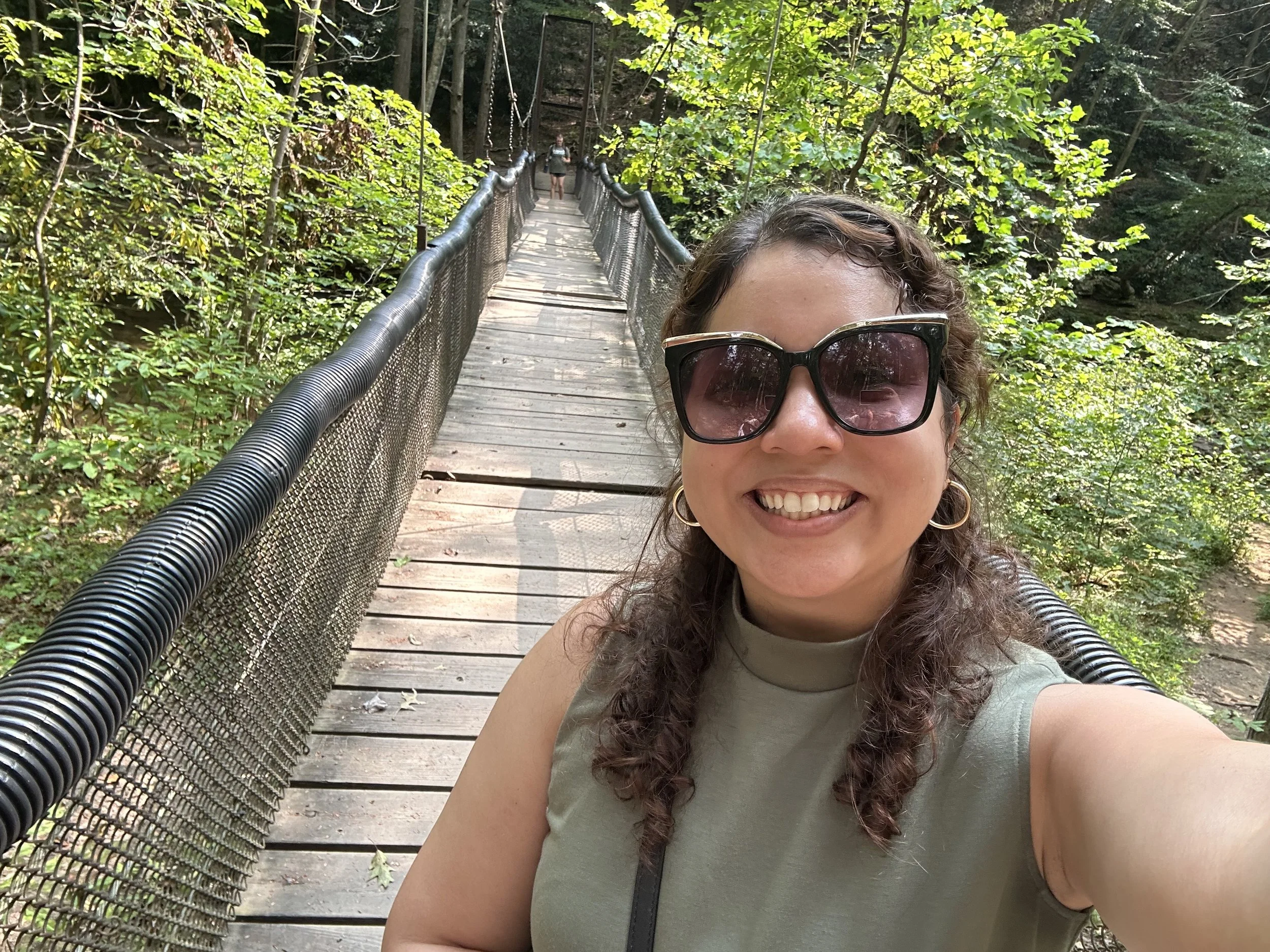
Founder of PathBreak Coaching and Consulting: Ashley Rodriguez, PhD
Ready to Reconnect With Yourself Beyond Burnout and Overgiving?
If this resonated with you, I invite you to explore the resources available through PathBreak Coaching & Consulting, including reflective guides, emotional wellness resources, and healing-centered support for BIPOC helpers and healers navigating burnout, boundaries, self-trust, and purpose.